

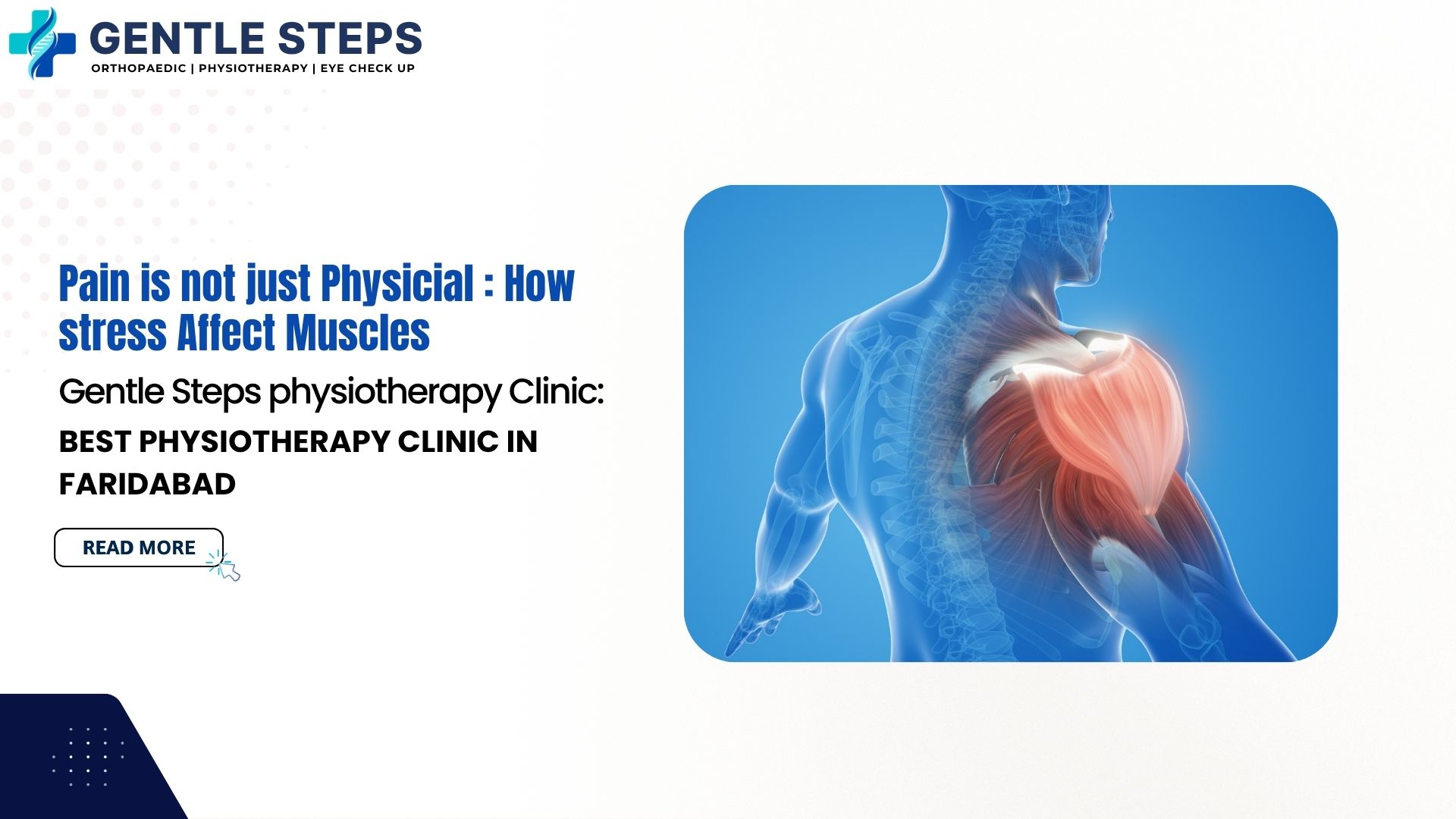
Most people think pain is caused only by an injury, poor posture, or a physical problem in the body. While these factors certainly play a role, many people are surprised to learn that stress can also be a major contributor to muscle pain and discomfort. In today's fast-paced world, stress has become a common part of daily life, affecting not only mental well-being but also physical health.
At Gentle Steps Physiotherapy Clinic , we frequently see patients suffering from chronic neck pain, back pain, shoulder tightness, headaches, and muscle stiffness that are directly linked to stress. Understanding the connection between stress and physical pain is the first step toward achieving long-term relief.
The human body and mind are closely connected. Whenever you experience stress, whether due to work pressure, family responsibilities, financial concerns, or emotional challenges, your body responds by activating its "fight or flight" mechanism. This natural response causes muscles to tighten in preparation for perceived danger.
While this reaction can be helpful in short-term situations, chronic stress keeps the muscles in a constant state of tension. Over time, this ongoing muscle contraction can lead to pain, stiffness, reduced flexibility, and movement restrictions.
When stress hormones such as cortisol and adrenaline remain elevated for extended periods, muscles struggle to relax completely. This continuous tension often affects areas such as:
1. Neck muscles
2. Shoulder muscles
3. Upper back
4. Lower back
5. Jaw muscles
6. Hip muscles
As these muscles remain tight, blood circulation decreases, oxygen delivery is reduced, and waste products accumulate within the tissues. This creates discomfort, soreness, and persistent pain.
At Gentle Steps Physiotherapy Clinic, we often find that patients experiencing chronic pain have both physical and stress-related factors contributing to their symptoms.
